FOr
For Alan Turing

Lockdown 2021 needed something extra… about 6 hours and 50 minutes
I am typing this the day after I performed For Alan Turing by Matthew Lee Knowles. Noticing how I feel today is allowing the piece to bleed outwards, merging into everyday living and experience. I feel so happy and at peace. After the celebrations and awesome post-play chat had quietened, I realised my ears were still adjusting. Eating toast the next morning was so loud and obtrusive! And I noticed a new slowness to every passing moment. I was able to still be in the performance space long after it had finished.
This is complimented by the preparations I made beforehand: a series of meditations, incremental fasts and mindful exercises, in and around finding my touch/sound/mode of being at the piano. All in all, For Alan Turing was an extended piece of living. A portion of time I fully dedicated to, filled with presence and care.
The experience itself was one of engagement and focus. I left all the decisions free: they were made in the moment. This forced me to constantly listen, react and connect with my sound, allowing the piece to be alive and representing the longterm processes that were unfolding. The music itself is beautifully written, organic, and inviting - I wanted to care and attend to it. I didn’t wait for the notes to finish, but keep present and with them throughout.
I used constant little movements that hovered close to each passing moment. Not planning further than 5 or so notes ahead. I kept gentle awareness of my progress without allowing myself to become obsessed with how far I had to go. I looked forward to when my right hand could join in, adding a fresh register and waking me up to a purer tone. Or when G could contribute to the wash of the pedal during the second moment, suddenly opening my ears to a different harmonic space. The locked-in nature of movement 5 was the most difficult. My back was painful by this point yet now I had to twist down the bass register and control its boomy nature. However, this gave me a new challenge to work at, a new bit of difficulty to push up against. It allowed this particular movement to flow differently to the others. The last movement was probably the most beautiful and involved bit of playing I’ve ever done. At this point in the piece, it had so much meaning! I was also mentally preparing myself to stop, which I didn’t really want to do. I’d found a wonderful existence in this piece, and I was worried stopping was going to be too sad. So I squeezed out as much joy whilst it lasted.

“Piano playing at its most meaningful.”

My daughter felt I needed reminding of these
The piece is perfectly suited to being live-streamed, in lockdown. It was able to run alongside someone’s daily routine, watched by an audience tuning in at various points. Tapping in and out, in between other tasks or meetings, didn’t detract from the sense of the event. And despite being apart, the shared knowledge of co-experiencing something together transferred between our separate homes. The spreading of word and hype from Matthew gave me space to revel in a sense of anticipation and excitement. This added to the ritualistic preparation of my space, allowing me to gradually become more focused and centred as the day drew closer. The presence of audience and connection bled into the days previously, and are continuing to bleed now. Although I saw no faces and heard no applause, I felt the community of supportive people watching and listening. Thanks for this.
Click here to read James McIwrath’s review in Tempo.
Watch the full performance here




More For
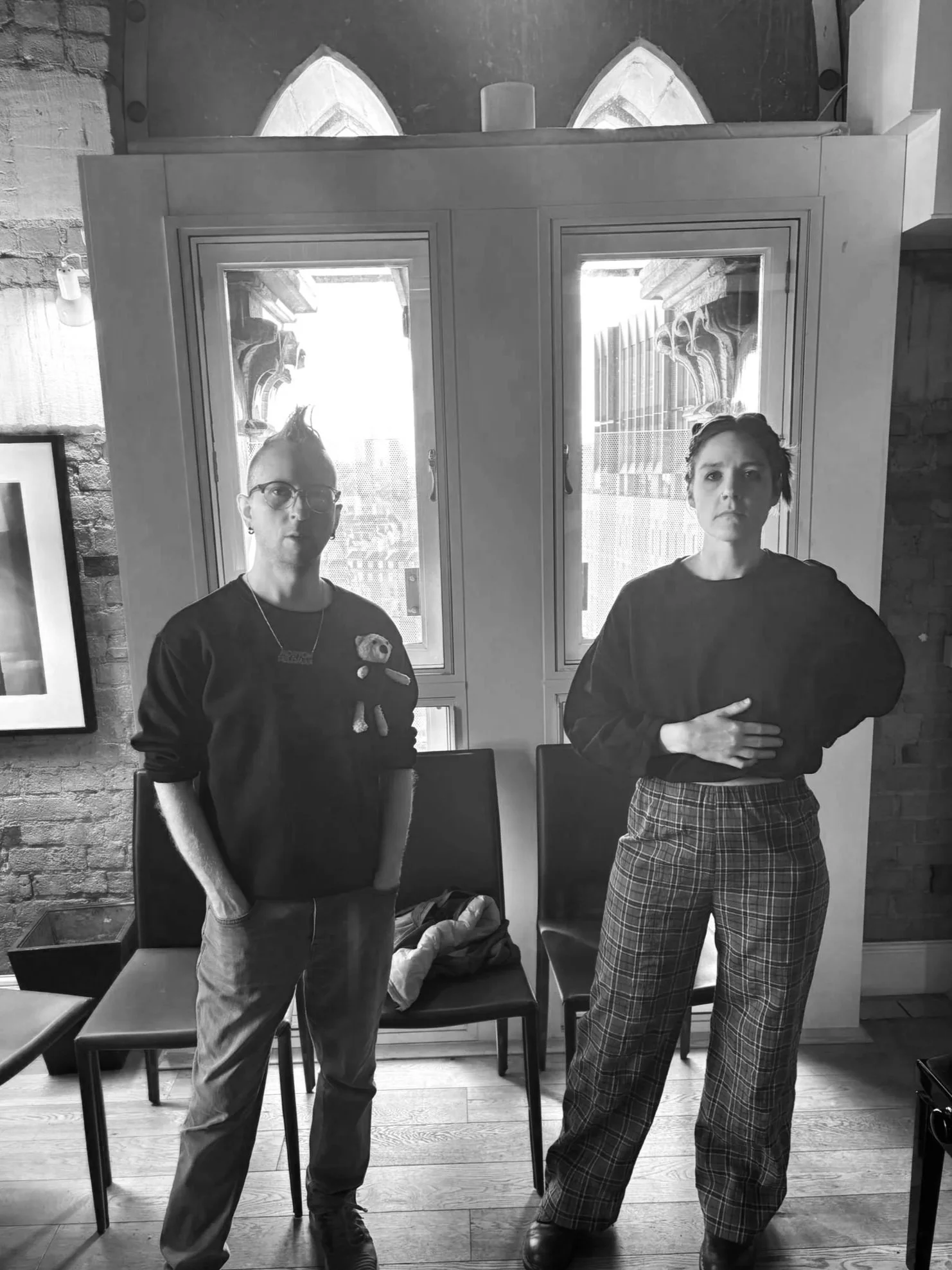
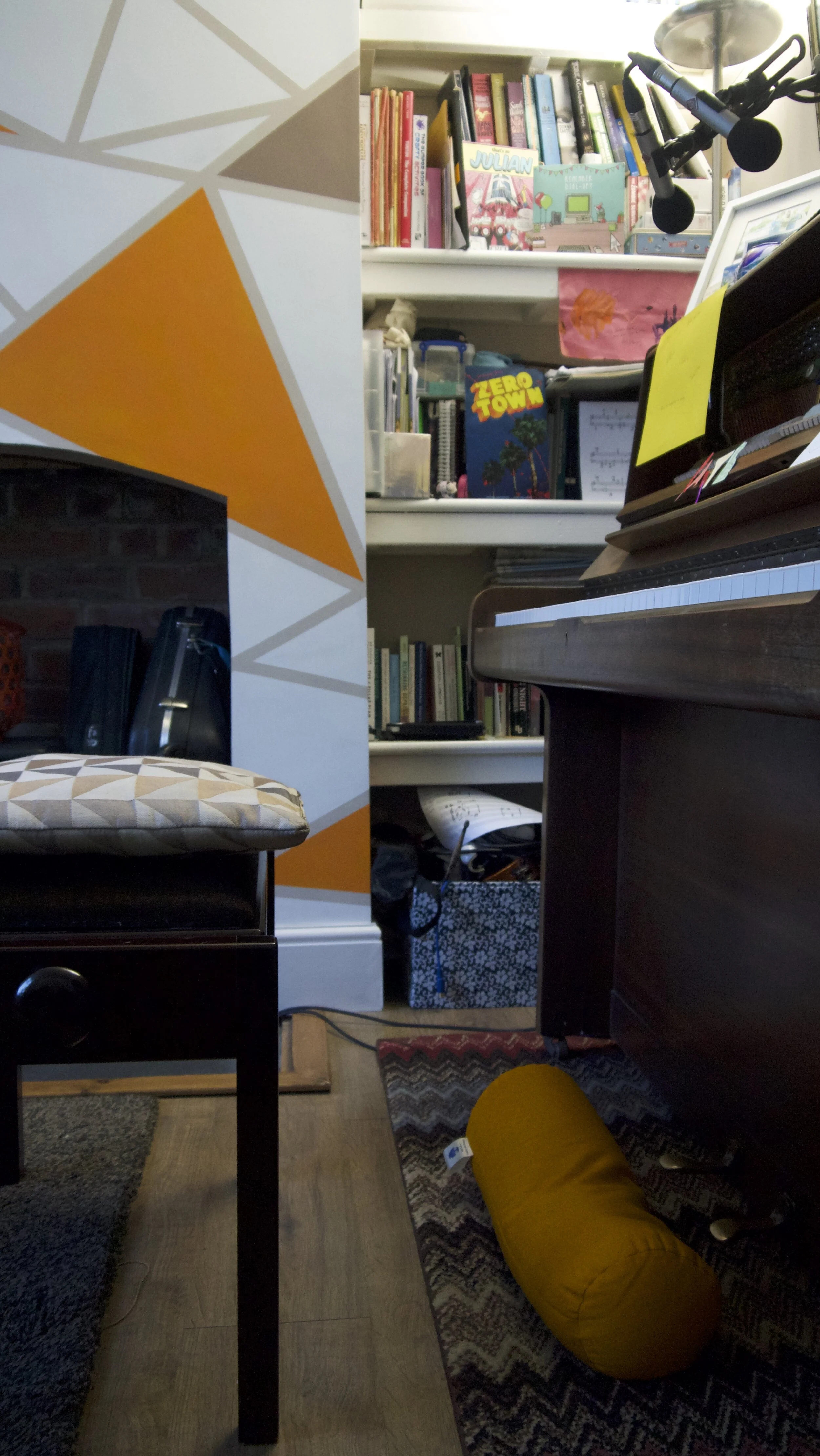
After the For Alan Turing project, we considered what an album of Matthew’s music would look like. I wanted to play his other For pieces, to see how other people manifested as music; people who are significant, influential and inspiring, who have particular traits, quirks and personal stories. The For pieces represented many beautiful and odd complexities, and were an invitation to see what was possible. They were all completely different, representative of each individual. The music was full of many nuances, which was something I wanted to maintain throughout the entire creative process. Beginning with these genuine dedications Matthew had made to the people in his life, what followed was a series of artistic decisions that prioritised and celebrated nuance.
I recorded for one day and recorded 13 pieces. Some were single takes; some took a few takes; some were edited in the mixing process. I dived in on the day, not aiming for correctness but an energy, one brought about by the person the composition was For. I wanted the sound to be ‘grabbed’, to start playing and allow what occurred to be the case. Imperfections, weak moments, fragility, harsh splashes… Sam Hobbs engineered the sound and captured as much as possible. We wanted to keep everything that the recording day offered: all the harmonics; all the overtones; all the decays. The more we ‘grabbed’, the more we then had to play with in production. We could explore and exaggerate what we had captured to create extreme, hyper versions of each piece. This ventured into imaginative situations: what would this piece sound like if played on a piano underwater? What would this piece sound like if the listener was sat inside the piano? These explorations utilised what we had grabbed on the day of recording, their potency increased via Sam Hobbs’s analogue explorative process. His channeling of each track invited more nuance and unique moments: where tape loops got out of sync, or where vibrations distorted the edge of a sound.
Matthew’s music reminded me of many influencial tracks from my musical encounters over the years:
David Rosenboom - Chilean Drought (1976) - The overlapping, hypnotic chords in For Matt Geer. I over-pedalled and submerged into the resonance of the piano for the first third. Sam complemented this by tape looping the third third.
Breeder - Twilo Thunder (Auranaut Remix) (2000) - I hear this track in the stark, open trance chords in the right hand For AE on their 30th birthday. I kept the sound as bare as possible, allowing each crotchet to take me closer to the end. Sam and I added sub-bass to the left hand, to emphasise the epic side of trance and the enormity of the relentless As and Es. Also, bar 7 in For Andrew Toovey. I can hear thunder when I play this bar. It’s serious, and to be taken seriously.
Faithless - Sunday 8 p.m. (2004) - The delicate, fragile melody in For Bebe. It has an idle, day dream quality, unstructured and unsure. I played the end of For Bebe with less and less energy, until there are notes missing and the sound has almost gone. The trills and decoration throughout this piece are hopeful and earnest. Sam created a filmic sound that was shiny and positive. We love Bebe.
Martin Arnold - Points and Waltzes (2012), performed by Philip Thomas in Phipps Hall, Huddersfield Contemporary Music Festival - Philip’s touch of the piano keys inspired me a long time ago. His performance of Points and Waltzes was very memorable, in particular one moment where the chords disappear, as though the piano has just submerged into the floor. For Kevin Mitchell reminded me of this lost sound. I dropped my hands into the keys, allowing them to sound without a beginning or an end. There was no force, just submerge.
Bryn Harrison’s Quietly Rising (2008), also played by Philip (and me but I play it nowhere near as beautifully), also belongs here. For Morton Feldman has a ‘just in time’ aspect, mixed with rhythmic complexity, busyness and the delicate grabbing of pedalled pitches. It constantly keeps my attention but manages to incorporate much space and poignancy in between attacks. I tried to keep this piece as ‘plain’ as possible. The writing does the work for me, but I can still enjoy the dance it creates.
Chris Clark - Lambent Rag (2021) - I love Chris Clark. For Gary Fisher was the most difficult piece for me to play. It needed a robotic element, but one that incorporates humour, Englishness and a straightforward honesty. The starkness of accuracy still needed a bit of softness, so we added electronic distortion, but bent it around the fuller piano sound. This track sums it up perfectly.
In the end, we created a double-album: accretion and debris. These two halves emerged throughout the process, the ordering of tracks also becoming clear as we mixed and matched each piece. It was important to portray each piece in full by carefully compiling the tracks, sometimes immediately cutting off one with another one (For Andrew Toovey into For Ian Parsons) or allowing a track to stand on its own, surrounded by silence (For Morton Feldman). After setting the order and adjusting how each track fed into the next one, it was sent to be mastered at RRS Music and Media Services. For more of the story, see NMC’s article or listen to Jude Cowan Montague’s feature on Resonance FM.
Here’s to the next one…


For John Tilbury
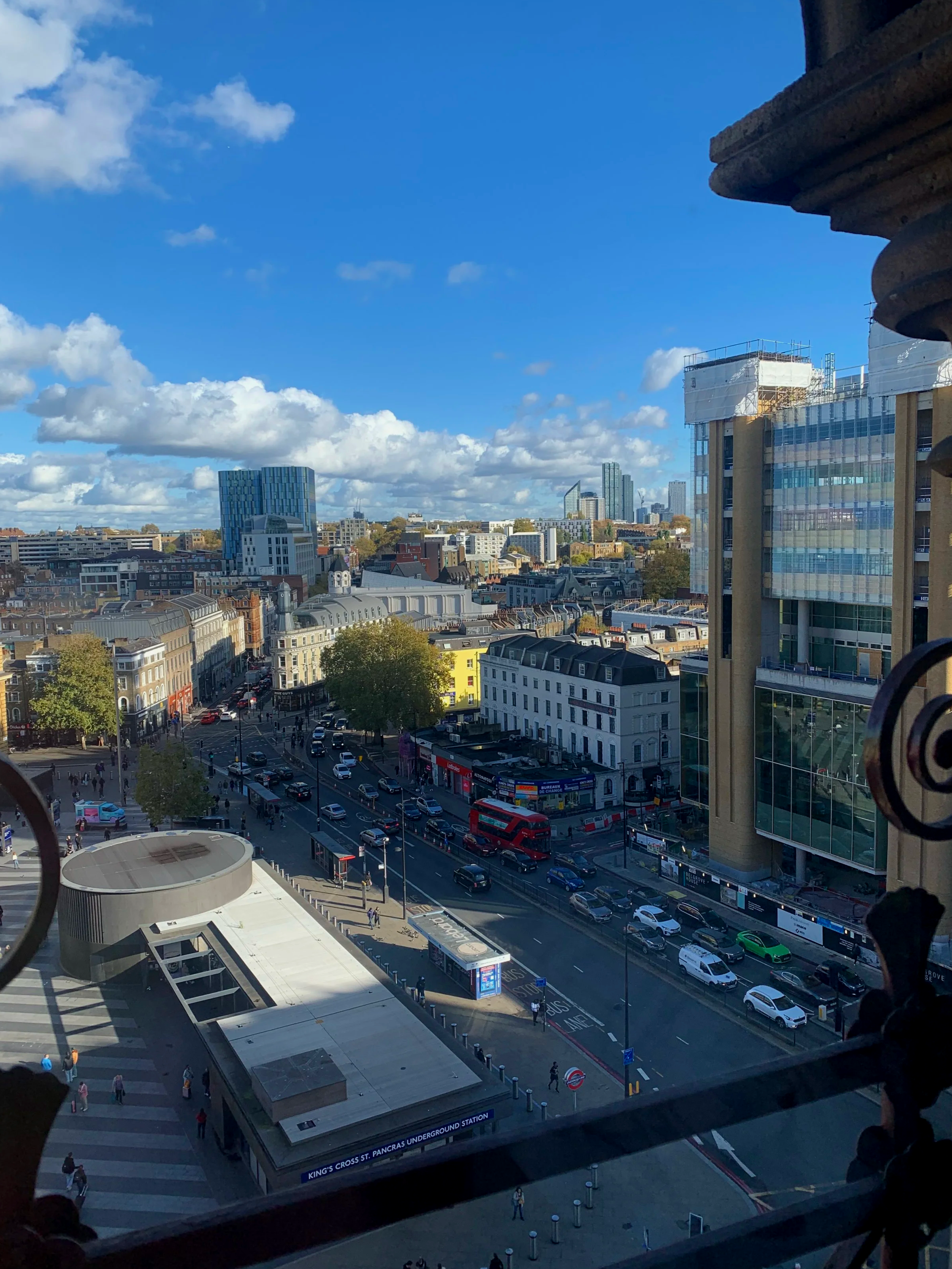
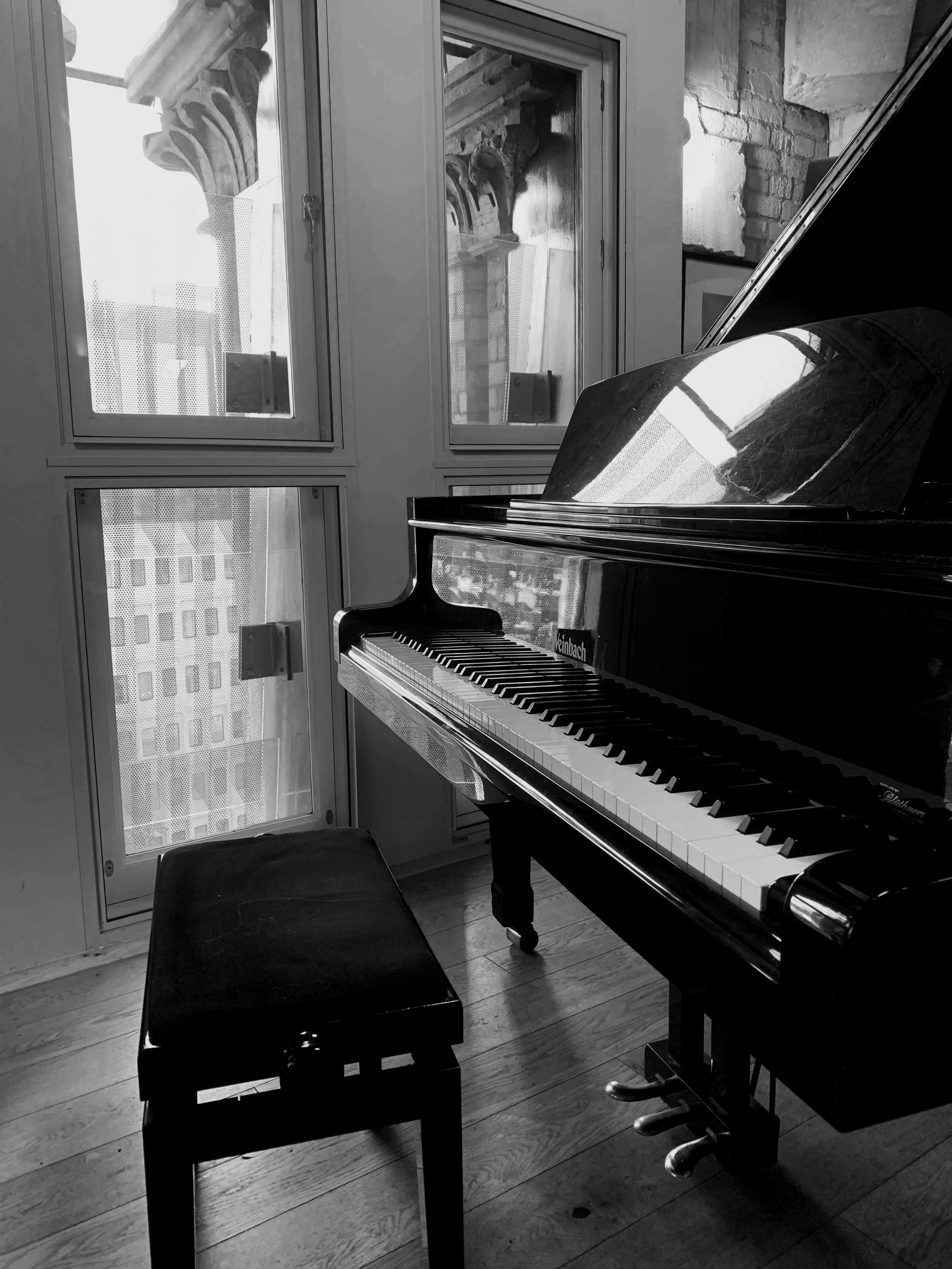
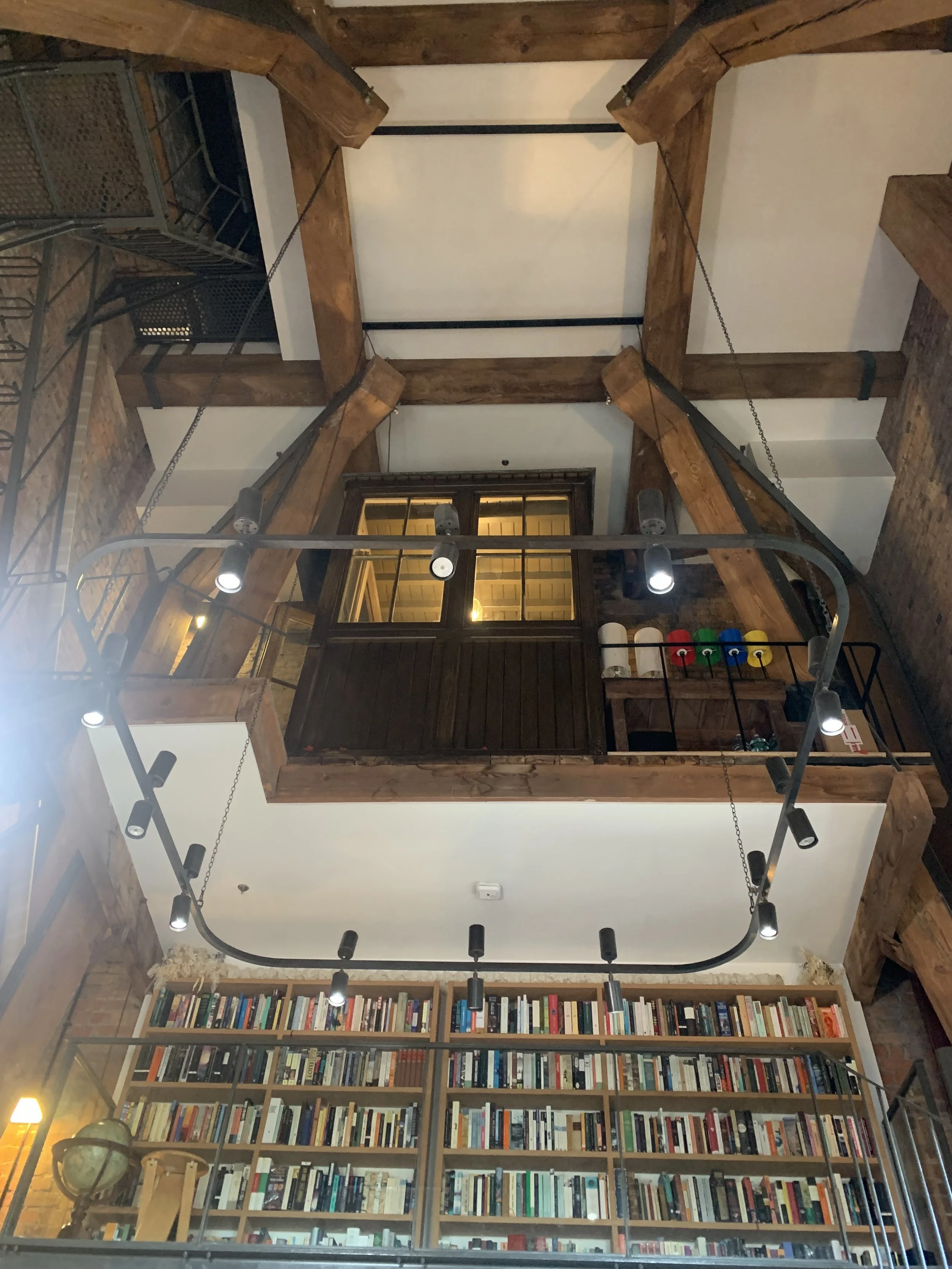
In November 2025, I premiered For John Tilbury, a ninety minute work for solo piano written by Matthew, at the St. Pancras Clock Tower. Matthew’s carefully selected pitches are dropped into existence all around the keyboard; the performance direction reads ‘Softly, but with appropriate gravitas’. The main challenge is the sections of 2, 3 or 4 bars that are to be repeated 50 times. My mindset and organisation for these bars was truly fascinating, and took me to some very intense places of focus and stillness. My use of meditation for Matthew’s other works is mentioned above. As I get older and more developed as a meditator, I find I am beginning to notice more within each passing moment of playing, whilst maintaining more and more stillness and calm. It’s a joy to dwell in these still and sacred places of performance. Here are some further details regarding my approach and how it felt to play.
Sitting, witnessing, counting, in presence?
In preparation for my performance of For John Tilbury, I carried out several meditations on mindfulness of breathing with a focus on concentration: counting and remaining tightly bound to each numbered breath. In the piece, each repeated cell (of which there are 14) is repeated 50 times. To help with my monitoring of the numbers, I split this 50 into two halves of 25, and then split these halves into two tens and a 5. And so my mental counting went 1-10, 1-10, 1-5. 1-10, 1-10, 1-5. As this counting is organised into two halves (2x25), it felt clear to me in the moment of playing which half I was in. There is a feeling of the first half and a feeling of the second half. Completing the first 25 felt like a finished object and allowed me to start again with the next 25. My sense of counting within each 25 had similar feelings: 1-10 is a known piece of time; to do this again felt like a repeat. 1-5 acted as a coda that finished off the 25. And so during the inevitable moments where I drift off into thought, I was covered and could rely on what I felt - in my body and in my sense of time with the current repeating cell.
However, I’m not counting the breath - I’m counting bars of piano music.
The hypnotic nature of Matthew’s carefully placed pitches, a softly singing dynamic and constantly held pedal meant it was very easy to get hypnotised by the beauty of the sounds I hear. In other pieces, I find I can remain in the moment and respond to the sounds I hear as I play: I am open and care-free in the way I track time. However, when repeating such a large and finite number of bars, I must stay present with each number, mentally retaining where I am and keeping this as my object of concentration. As such, I found listening became a secondary point of focus. I kept my mind from sinking into a state of ‘playing’ - singing, expressing, balancing, shaping, enjoying. However, this perhaps created a truly experimental response, one that is removed of expression, habit and interference (see Philip Thomas 2011). At one point, I was so focused on keeping the pattern of the music in motion that the sound became a true embodiment of my internal gripping, focus and consistency. As I must remain so focused, there is no time to soften, ease or play. The sound is, and this is pleasing. As such, there were times when the music felt disconnected and beyond my control. Due to the sustained nature of the focus, there were moments when I was witnessing my fingers moving as though they were moving by themselves. When we hear performers talk about flow, I question what we mean by this. Is it when a performer can ‘go with the flow’, remain open and enjoy the sounds they hear in the moment - perhaps taking the odd risk and capitalising on their confidence - or is it when we are so tightly focused on one aspect of performance that we disconnect from other aspects of the music and become witnesses of our own performance - the experience is ‘out of body’ and removed from distraction. As such, what do we mean by presence? Is to accept the entire moment to the point of absorption and perhaps distraction? Or is it to be closed and tightly bound around one single stream of consciousness?
2026 is 100 years since Morton Feldman’s birth and so will involve my slow journeying through his extended (and final) works for piano: Piano (1977), Triadic Memories (1981), For Bunita Marcus (1985) and Palais de Maris (1986). These works require similar modes of focus but my early practise is already proving its many different forms. It is highlighting the power of perception and context, the joy of rhythm and the affects of repetition. It is demonstrating sound’s ability to hold us, distract us or shape us, despite this music’s removal of traditional expressive markings, style and character. I will continue to document my experiences of performing Feldmans’ extended works throughout 2026 so that I can learn more about the mind and body in performance and the effects this has on sound. These pieces will be performed at St. Pancras Clock Tower throughout 2026, beginning with For Bunita Marcus on 11th January.